
Heritage & High Society
The stories behind the band • Since 1837
RAMÓN ALLONES
Havana Color, British Connections & a Hollywood Following
The handsome band is only the beginning. Ramón Allones has a history that moves from two Spanish brothers in Havana to British merchants, revolutionary upheaval and a collector’s extraordinary farewell. Along the way, the name has found admirers among actors, behind the bar and wherever the conversation turns to the pleasures of a well-stocked humidor.
Two brothers in Havana
Habanos traces the brand’s beginnings to 1837. Ramón Allones came from Galicia, in northwestern Spain, and built the business with his brother, Antonio. British importer Hunters & Frankau places their early operation at Havana’s La Eminencia factory. Ramón’s name went on the label, but Antonio deserves his place in the opening chapter.

Presentation was part of the brothers’ legacy. Habanos credits Ramón with pioneering decorated cigar boxes bearing labels and the brand’s emblem. It was an astute idea: a box could announce its maker before anyone tasted its contents. The packaging gave a customer something to recognize, remember and ask for again. Even now, an old cigar label can hold the eye as effectively as a miniature travel poster.
A Havana name with a British address
By the early twentieth century, Ramón Allones had passed into British ownership. Its range was once remarkably broad: historian Simon Chase counted 62 sizes in a 1924 catalogue. In 1927, the business was sold to Cifuentes, Pego y Cía, owners of Partagás. Britain, however, remained an important part of its story.
The Second World War interrupted that relationship. Currency restrictions stopped British imports of Havana cigars, which did not resume until 1952. By the 1957 catalogue, the Ramón Allones selection had contracted to ten sizes. Imagine the difference at the tobacconist’s counter: a once-sprawling list reduced to a short conversation.
There were still fresh ideas. Chase dates the introduction of 8-9-8 packing for the brand’s Coronas to 1958, at Hunters’ request. The name describes the arrangement: eight cigars below, nine in the middle and eight on top. Twenty-five cigars, neatly accounted for.
Revolution, then New York
The next upheaval reached well beyond the cigar counter. In an interview recounted by James Suckling in Cigar Aficionado, Ramón Cifuentes of the Partagás-owning family remembered officials arriving to take over the company in September 1960. By then, Ramón Allones belonged to that larger enterprise.
Cifuentes declined an offer to run the nationalized factories and eventually left Cuba for New York. The adjustment was severe. Suckling reported that his wife worked in Bloomingdale’s crystal department to help support them. Cifuentes began selling Connecticut wrapper tobacco and later worked with General Cigar. Behind the familiar account of brands changing hands was a family learning to make a living again.
Cuban Ramón Allones continued under state ownership. The wider history of exile and rebuilding would also give famous Havana names separate lives abroad—a distinction that matters when looking at what is inside a modern cigar.
An extraordinary farewell
Few people understood the British connection better than Simon Chase, the cigar historian and longtime Hunters & Frankau figure. After his death, his family offered a particularly personal tribute at the 2020 Habanos Festival auction: a Ramón Allones 225 Aniversario humidor containing 100 cigars, together with a box of Petit Coronas from the early 1970s.
His wife and three children watched the combined lot sell for €380,000. The proceeds went toward Cuban public health. It was an unusually moving chapter in the life of a cigar brand: a collection assembled with care becoming a final contribution from a man who had spent years sharing his knowledge.
From Hollywood to the cocktail bar
The brand’s admirers make an interesting dinner-party list. Peter Weller, known for RoboCop and The Adventures of Buckaroo Banzai, has spoken of enjoying the Ramón Allones Gigantes. It is a suitably expansive choice for an actor whose best-known characters have rarely lacked presence.

Martin Kove, familiar to generations of viewers from The Karate Kid and Cobra Kai, told Cigar Aficionado that he enjoys the occasional Specially Selected. Journalist Jeff Greenfield has also included Ramón Allones among cigars he has enjoyed. Their tastes range across other brands, too; these are personal enthusiasms with room for variety.
Then there is bartender Salvatore Calabrese, known as “The Maestro.” In a 2025 interview, he described a possible late-night combination: an Old Fashioned and a Ramón Allones. For a magazine concerned with what happens after dinner, that is a pleasingly specific place for the story to land.
The tobacco behind the name
The Cuban brand’s leaf comes from Vuelta Abajo, in Pinar del Río. Habanos specifies that wrapper, binder and filler all originate there, and that the cigars are entirely handmade with long filler. Its official strength classification is full, with an emphasis on intensity and complexity.
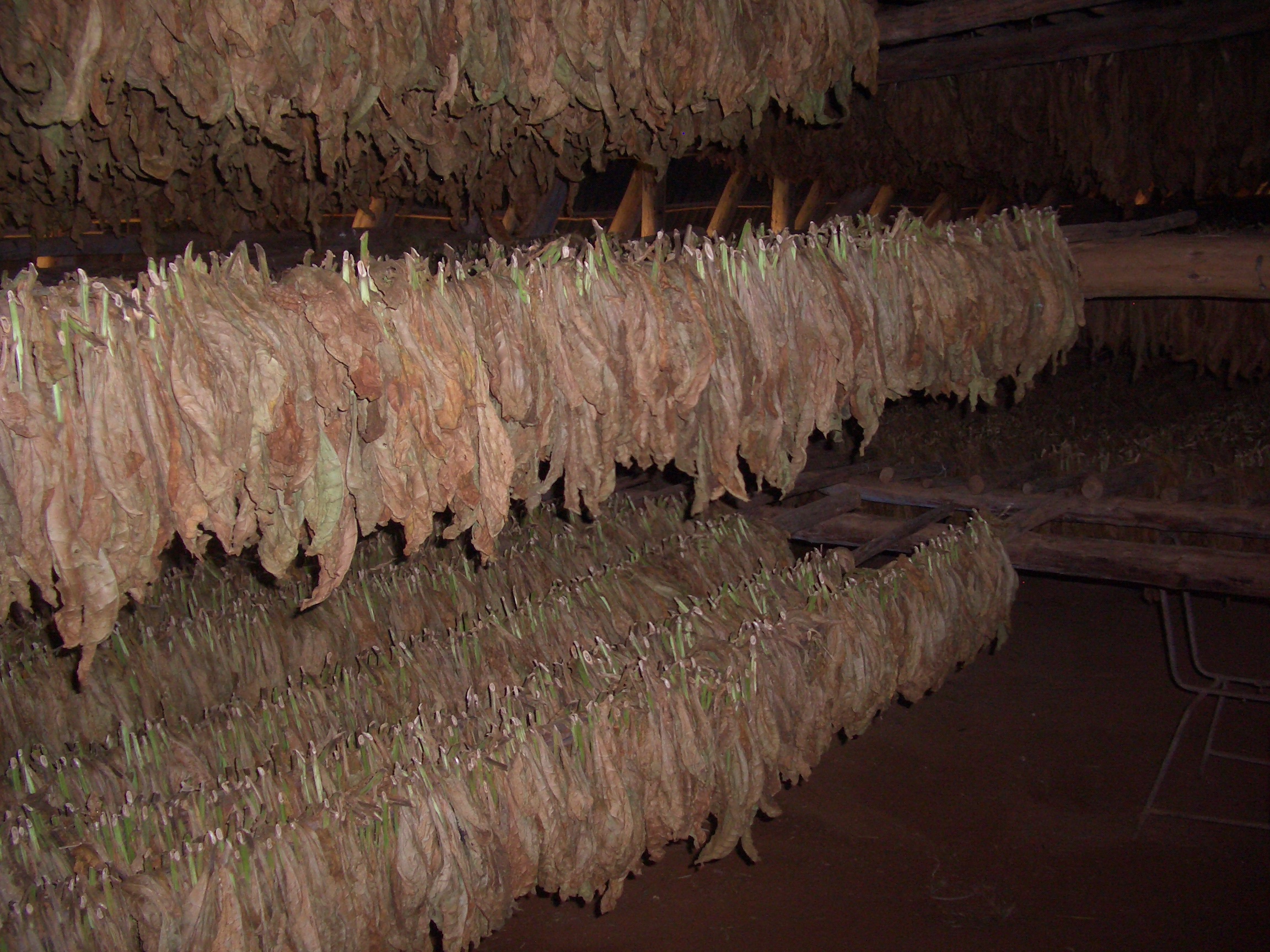
Within the region, San Luis is especially associated with wrapper leaf, while San Juan y Martínez is known for binder and filler. Those regional specialties help explain the geography, though they do not identify the individual farms supplying a particular box. The wrapper provides the outer leaf; the binder holds the bunch; the long filler forms the interior. A cigar’s character begins in those choices, long before its band is applied.
Old favorites, fresh chapters
Ramón Allones has also learned to revisit its own past. The Allones Extra Edición Limitada 2011 revived a size that had disappeared from the range in the 1970s and brought back a historic band design. It was the brand’s first Habanos Limited Edition. The appeal was easy to understand: an old name from the catalogue, made tangible again.
The story has kept moving. Absolutos, carrying the Edición Limitada 2024 designation, was unveiled in Basel in 2025. The date on a special-edition band and the date of its debut are not always the same. For collectors, that is another small piece of history to tuck away with the box.
A father’s favorite, reimagined
The name has a separate Nicaraguan chapter through AJ Fernandez. At the 2018 New York launch at Club Macanudo, Fernandez explained that Ramón Allones had been one of his father’s favorite brands when the family lived in Cuba. That personal connection gives the project a warmer backstory than a routine revival of an old trademark.
Ramón Allones by AJ Fernandez uses Nicaraguan tobacco throughout. Its wrapper is a dark medio tiempo leaf grown from hybrid tobacco on Fernandez’s own farm; the binder and filler are Nicaraguan as well. It shares a historic name with the Cuban cigar, while expressing the tobacco and blending choices of a different country and maker.
Inside the band: two tobacco stories
Country of manufacture and the specific line tell you which Ramón Allones you are holding.
| Expression | Made in | Wrapper | Binder | Filler |
|---|---|---|---|---|
| Cuban Ramón Allones | Cuba | Cuban | Cuban | Cuban |
| Ramón Allones by AJ Fernandez | Nicaragua | Nicaraguan medio tiempo | Nicaraguan | Nicaraguan |
The Cuban expression draws its leaf from Vuelta Abajo. The AJ Fernandez row refers to that specific collaboration; other non-Cuban releases under the name have used different blends. Tobacco specifications: Habanos and AJ Fernandez Cigars.
More than a handsome label
What stays with you about Ramón Allones is the human scale of its history. Two brothers building a business. A family starting over in New York. A collector’s children watching his cigars do some good in the world. A son returning to a name his father loved. The dates and ownership changes matter, but those are the moments that give the old band its weight.