
Miami Beach to Las Vegas
The Perlman Brothers & Lum’s Restaurant Chain
FROM HOT DOGS
TO HIGH STAKES
A Miami Beginning, a Las Vegas Empire
and the Business Ties That Cost Them Control
A hot dog steamed in beer is an unlikely beginning for a Las Vegas empire. Yet that is where Clifford and Stuart Perlman’s story starts. Their next act brought them Caesars Palace, Sinatra and championship boxing. It also brought uncomfortable questions about money, influence and the company they kept.
Sixteen seats. Much bigger ambitions.
Clifford “Cliff” Perlman arrived in business by way of the law. Born in Philadelphia, he served in the Army during World War II, graduated from the University of Miami School of Law in 1951 and practiced in Miami Beach. In 1956, he and his brother Stuart bought an existing restaurant called Lum’s, according to the family’s account of his life.
Their starting point was a 16-seat diner on Miami Beach’s 41st Street. Its signature was wonderfully uncomplicated: hot dogs steamed in beer. A distinctive preparation and a name people could remember made a promising foundation for a chain.
The brothers began franchising around 1965. Eventually, nearly 400 restaurants operated in more than thirty states, and Lum’s reached the New York Stock Exchange in 1969. Those milestones appear in the court record of the company’s rise. What looked like a modest restaurant concept had become a vehicle for much larger ambitions.

The $60 million leap
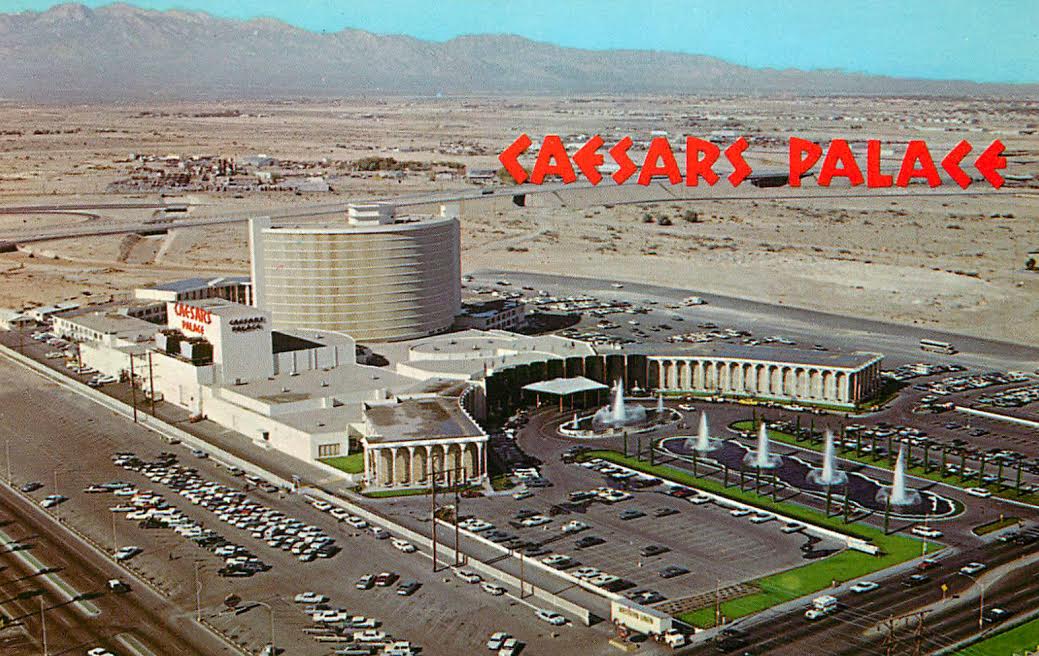
In 1969, the Perlmans took Lum’s into an entirely different business, purchasing Caesars Palace for $60 million. Jay Sarno’s Roman fantasy was already standing on the Strip; the brothers acquired it and set about expanding its possibilities. A federal court opinion dates the sale to September 30, 1969.
The business priorities soon changed. In 1971, the restaurant operation was sold and the parent company took the name Caesars World. The judicial history describes a restaurant downturn and the expanding casino’s need for money. The hot-dog business had opened the door; gambling became the main attraction.
The burger came later
The Ollieburger belongs to Lum’s next chapter. John Y. Brown Jr., fresh from Kentucky Fried Chicken, bought the chain for $4 million in 1971. He recruited Ollie Gleichenhaus, a Miami Beach cook fiercely protective of his seasoned hamburgers. Requests for ketchup could earn a rebuke. Brown saw another marketable personality in the tradition of Colonel Sanders. By 1972, Ollie was training Lum’s employees and the burgers were being tested in Ohio, as TIME reported at the time.
Sinatra, fight nights and fast cars
Clifford understood that the entertainment itself could justify a trip to Caesars. Frank Sinatra performed regularly for a decade, while the company worked with Don King on major boxing events and hosted the Alan King Tennis Classic, as UNLV’s history records.
Sugar Ray Leonard and Thomas Hearns fought at Caesars on September 16, 1981. A month later, on October 17, the Caesars Palace Grand Prix brought Formula 1 to the property, with Alan Jones winning. The former restaurant men had found a considerably louder way to draw a crowd.
Clifford’s daughter, Robyn Perlman, later recalled the thinking behind the temporary boxing arena. When the management team worried about the cost of putting seats in the parking lot, her father saw the gambling business thousands of spectators might bring through the hotel.
Her 2016 interview with the Las Vegas Review-Journal offered an equally telling detail: the moving sidewalk. The walk from the hot street, past the fountains and into Caesars was long. Clifford made the arrival easier. As Robyn joked, the moving walkway went only one way—into the casino.
The old casino world came with the keys
Buying a casino also meant inheriting its people. At a 1983 Nevada hearing, officials pressed Clifford about the continued employment of Jerry Zarowitz, a suspected mob associate who had been running Caesars when the brothers bought it. Perlman said Zarowitz withdrew his license application after being told he would not be approved, and was then asked to leave.
Asked about hiring Zarowitz’s successor, Sandy Waterman, Clifford explained that he and Stuart were casino novices who needed an experienced operator. It was a practical answer with a larger problem behind it: the personnel and relationships of old Las Vegas did not disappear when a public company took over.
Miami deals, Mafia questions
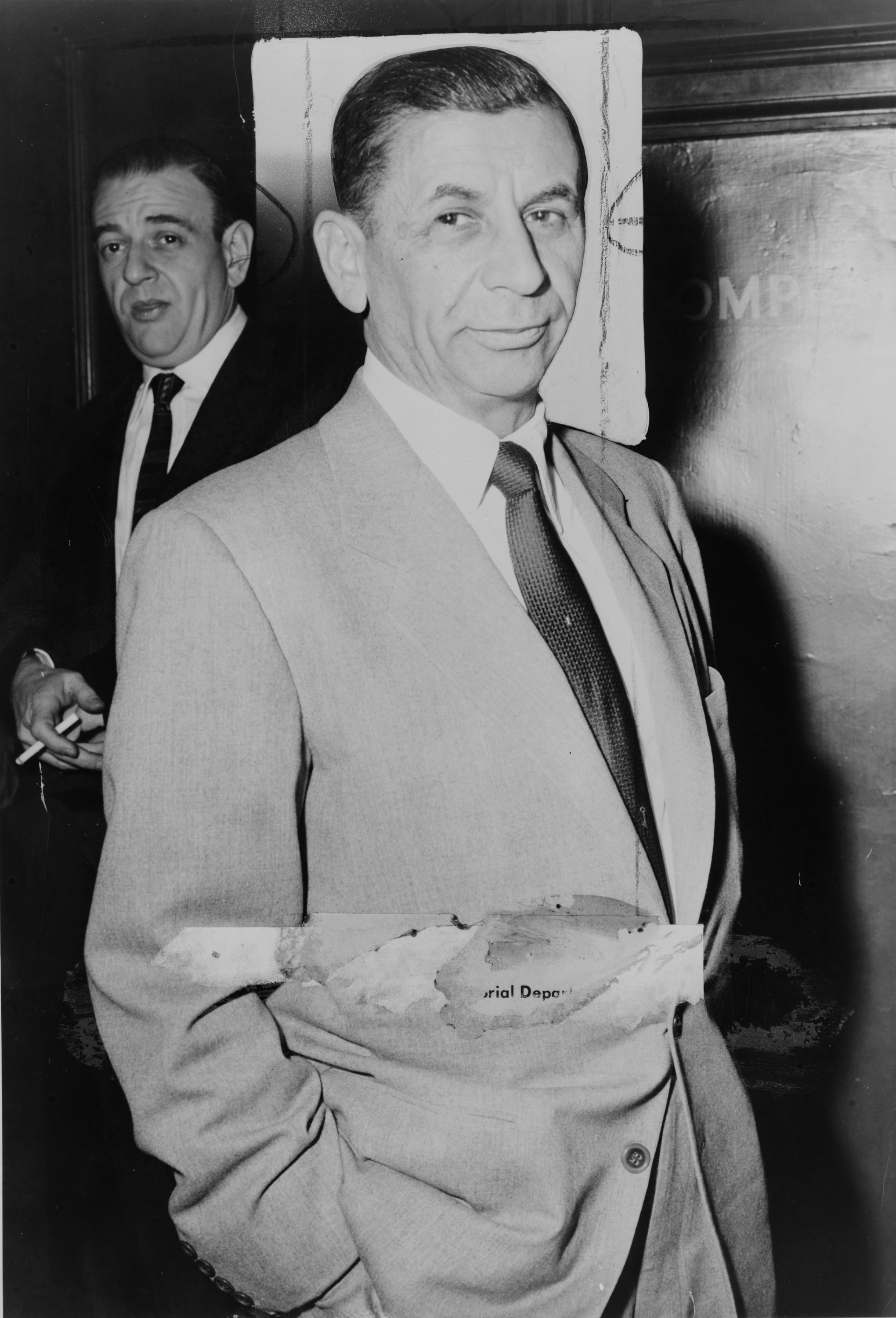
The relationships that would cost the brothers their place at Caesars led back to South Florida. During the 1980 New Jersey licensing hearings, investigators examined dealings with Miami lawyer Alvin Malnik and businessman Samuel Cohen, whom authorities linked to underworld financier Meyer Lansky.
As contemporary UPI reporting described, the transactions involved Florida land developments and the sale and leaseback of Pennsylvania honeymoon resorts. Caesars proposed a trust arrangement to separate itself from Malnik and Cohen. By then, the relationships had become a central obstacle to its Atlantic City ambitions.
Clifford’s involvement with Malnik in the Cricket Club venture also drew scrutiny. The 1981 appellate opinion recounts Nevada officials’ warnings about Malnik’s reputation. The Perlmans argued that Clifford had tried to extricate himself and eventually did so at substantial personal cost. The court nevertheless upheld the commission’s adverse findings. Stuart argued that little evidence concerned him individually; the court considered the brothers’ business affairs inseparable.
Wall Street wanted answers, too
There was a separate federal disclosure problem. In July 1979, the Securities and Exchange Commission announced a civil action against Caesars World and Clifford Perlman. It alleged that material facts about real-estate transactions had been concealed, including Clifford’s substantial private business interests with the counterparties and related actions by Nevada gaming authorities.
The company and Clifford consented to permanent injunctions without admitting or denying the allegations. That qualification matters. This was a civil securities case, and the SEC announcement named Clifford and the company, not Stuart. The dispute concerned what investors had been told about business relationships that could affect their company.
Drug money at the tables
Caesars patron Antonio Cruz Vazquez lost $2.9 million. A 1979 federal appeals decision describes a heroin operation importing drugs from Mexico and moving them through the western states to New York and New Jersey.
Vazquez was convicted of conspiracy, possessing 44 pounds of heroin with intent to distribute, and conducting a continuing criminal enterprise. He received concurrent 15-year prison terms; the appeals court affirmed the convictions. The trade involved cash, cross-country movement and extensive telephone communications.
In another case, casino executive Mandy Campo’s 1975 cocaine indictment was dismissed.
These cases do not establish that the Perlman brothers operated a cocaine-smuggling business. Their own confrontation with authorities centered on business associations, disclosure and their suitability to hold casino licenses.
The price of staying in Atlantic City
New Jersey’s decision was devastating. The commission found that the brothers had failed to establish the character and integrity required for licensing. Caesars faced a choice: sever their ties to the corporate group or abandon its New Jersey casino operation. This was a regulatory judgment about fitness, rather than a criminal conviction of either brother.
In December 1981, Caesars bought out the brothers and their families for roughly $100 million. UPI reported shareholder objections to paying $20 for Caesars World shares then trading around $10. Losing control could still produce a handsome financial settlement—and a very unhappy audience at the annual meeting.
The stock sale did not immediately end every connection. Clifford retained a Nevada management role while the appeals continued. On July 21, 1982, the New Jersey Supreme Court upheld the broad severance requirement, including interests in out-of-state nongaming subsidiaries. The company the brothers had built from Lum’s would continue without them.
Another improbable bet: luxury in the sky
The Perlmans’ appetite for ambitious businesses survived Caesars. Their Regent Air began flying between Newark and Los Angeles in 1983. Boeing 727s were fitted for just 35 passengers, with brass-and-leather interiors and limousine service. The onboard offerings included a chef, nurses and a beautician. It was the luxury-resort instinct taken airborne.
By July 1984, the airline was losing heavily and had cut its one-way fare from $1,500 to $810. Yet an administrative law judge recommended licensing approval after reviewing the brothers’ record, reaching a more favorable assessment of their regulatory conduct. UPI’s contemporary account also lists character witnesses including Andy Williams, Wayne Rogers and Alan King. The famous names were still answering the call.
A remarkable rise, an uncomfortable legacy
Lum’s and Caesars offered very different versions of a good time, but the Perlmans understood the attraction of both. They could recognize a memorable product, sell an occasion and persuade people to make the trip. Their story also shows how decisions made far from the casino floor can determine who is allowed to run it. The restaurants supplied the beginning, Las Vegas supplied the spectacle, and the regulators supplied an ending the brothers had never intended.